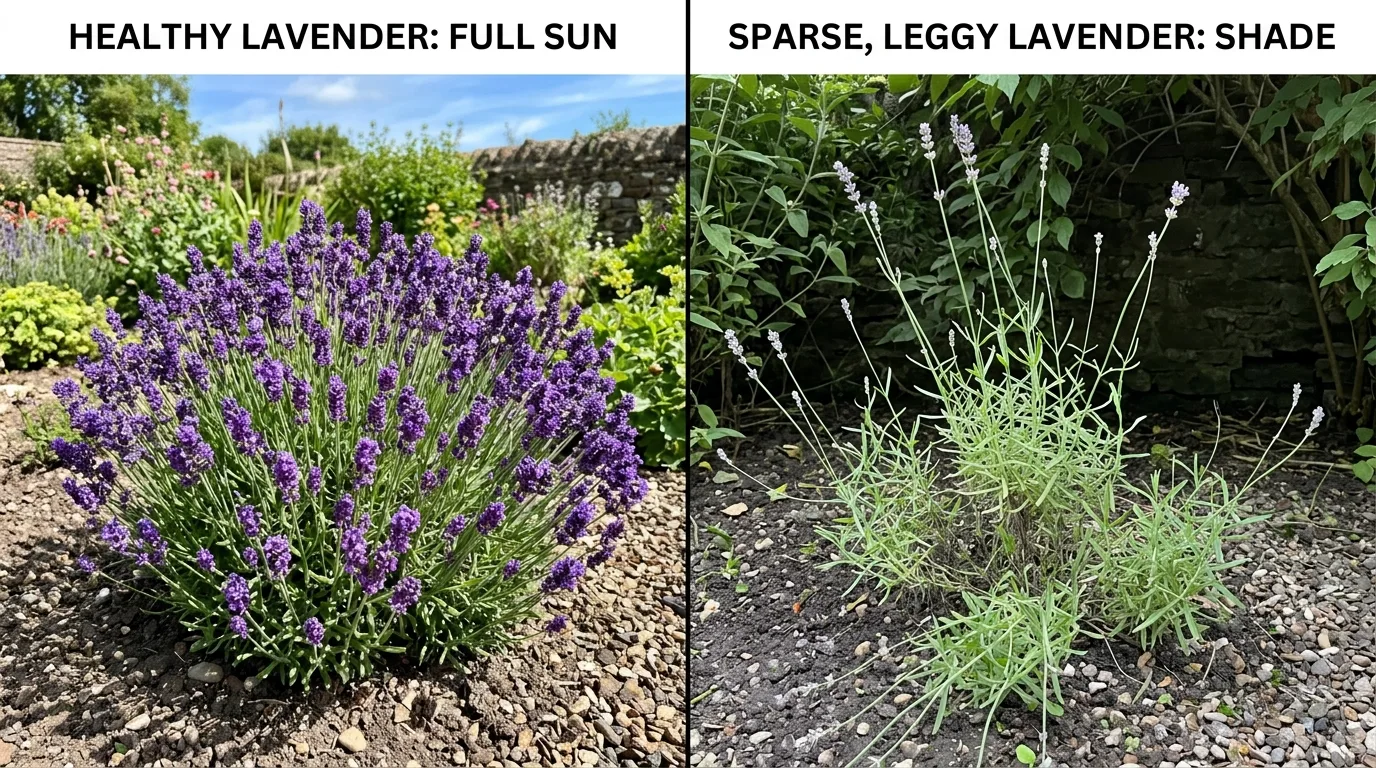
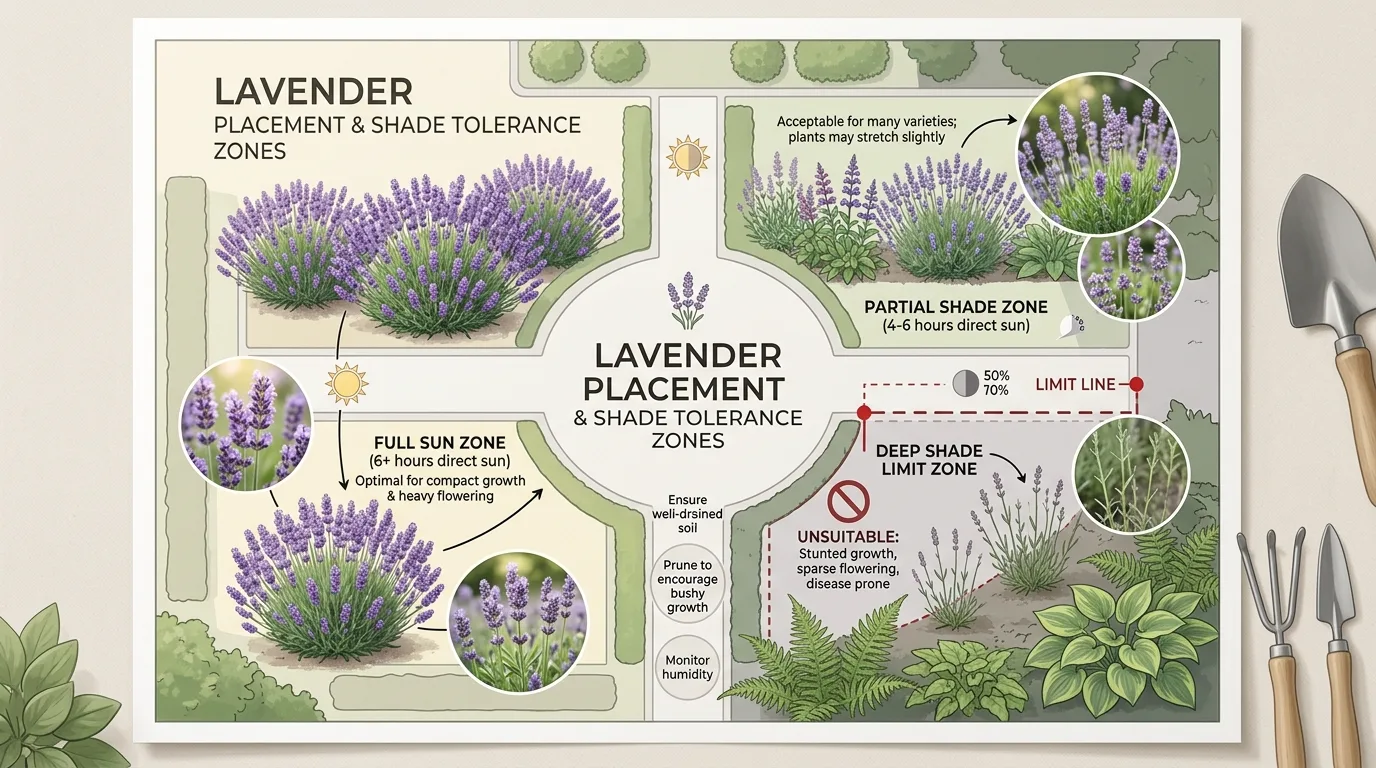
Lavender and shade are not natural partners, but the question comes up often because many gardens have partial-light conditions that seem close enough. In reality, placement changes the plant's shape, bloom strength, and overall vitality very quickly.
These images help clarify what reduced light tends to do, which makes it easier to plan a better site or decide when a different plant would simply be the smarter choice.
Overall Layout Design Direction
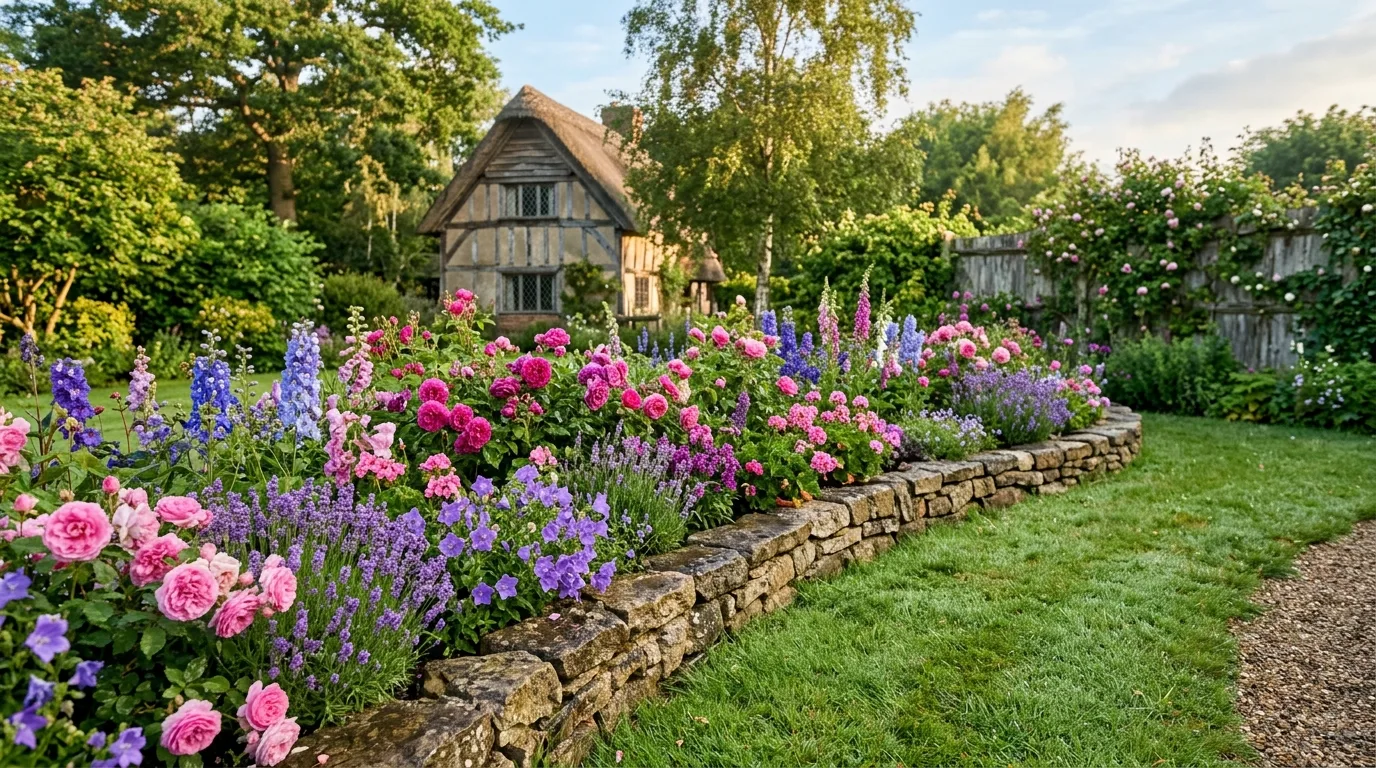
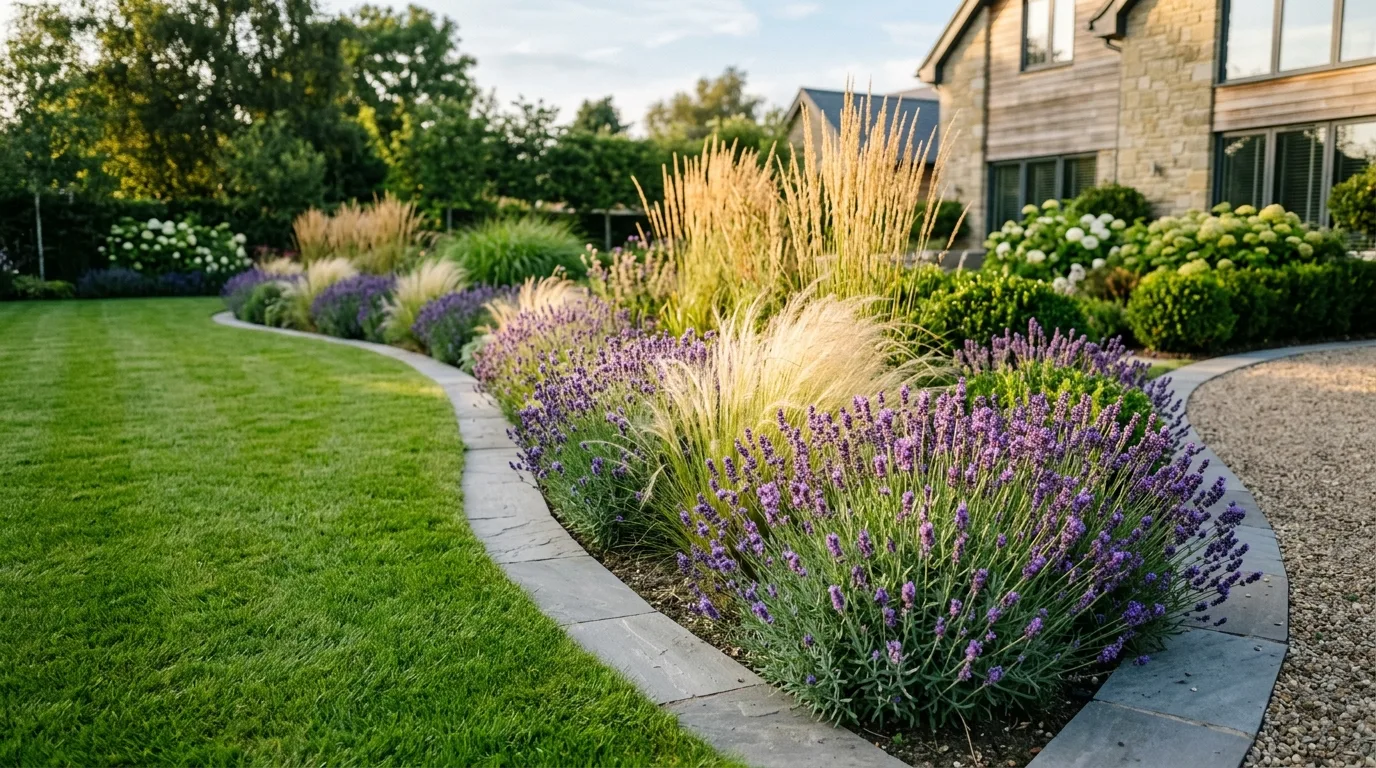
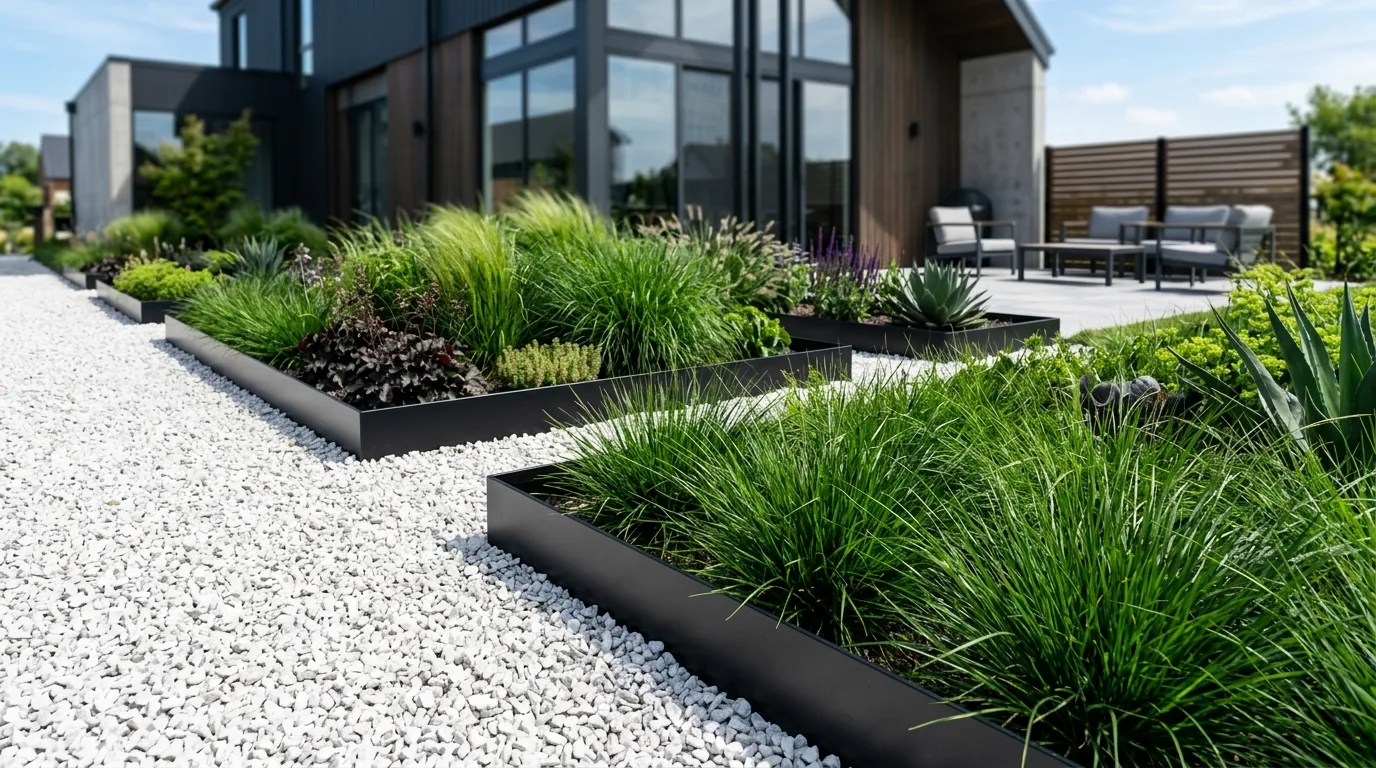
What makes this image useful is the way it turns inspiration into a layout readers can actually borrow. In this overall layout section of shade gardening tips can lavender grow in the shade, filtered light, leggy growth, and a more deliberate arrangement help the space read as finished, comfortable, and easier to understand at a glance.
Rooted in creativity and guided by style, this overall layout take on shade gardening tips can lavender grow in the shade shows how filtered light, leggy growth, and sun-seeking placement can turn a simple setup into something richer and more memorable, giving the whole scene a welcoming personality that feels considered rather than copied.
Material Contrast Styling Approach
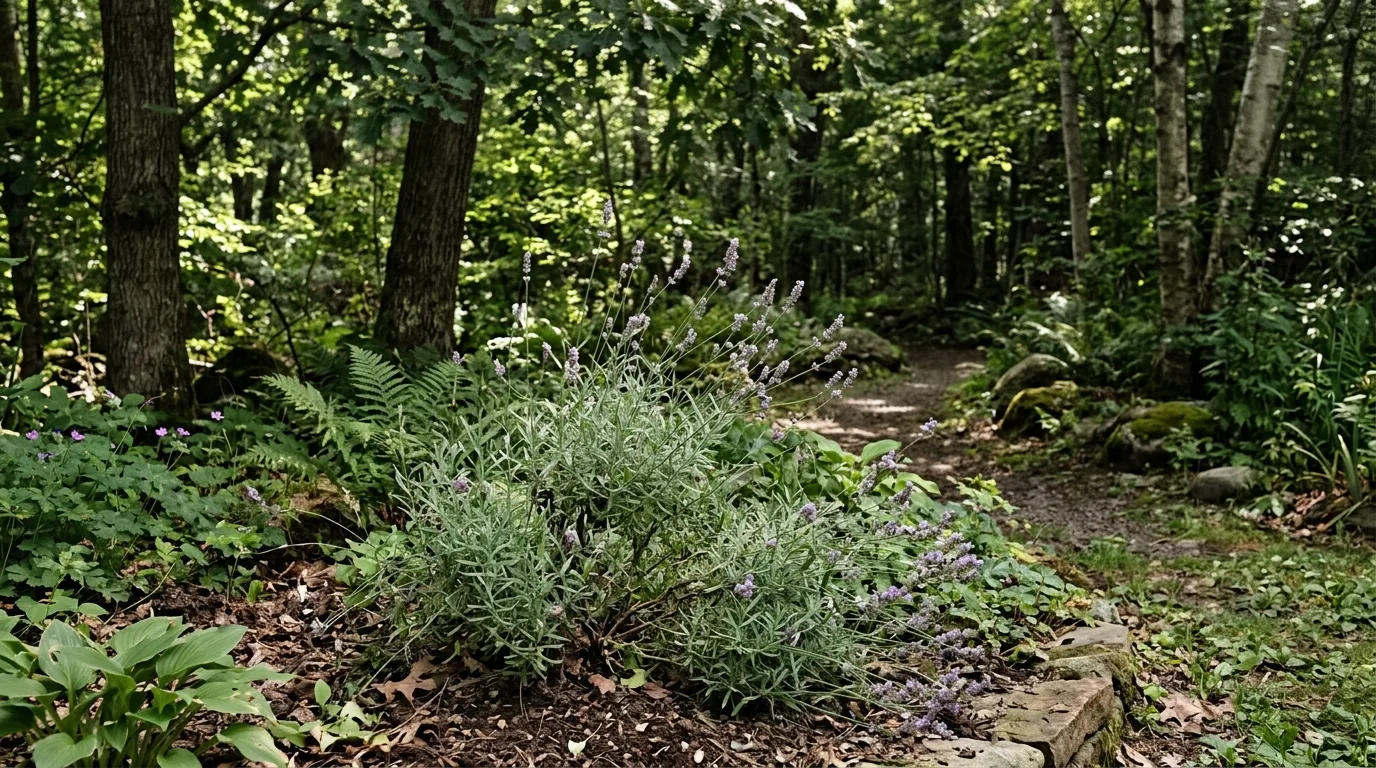
This example stands out because it shows a clear design move instead of relying on decoration alone. In this material contrast section of shade gardening tips can lavender grow in the shade, filtered light, leggy growth, and a more deliberate arrangement help the space read as finished, comfortable, and easier to understand at a glance.
Shaped with warmth and a careful eye for detail, this material contrast take on shade gardening tips can lavender grow in the shade shows how filtered light, leggy growth, and sun-seeking placement can turn a simple setup into something richer and more memorable, giving the whole scene a welcoming personality that feels considered rather than copied.
Plant Pairing Visual Focus
The strength of this look comes from how the main materials and planting choices support one another. In this plant pairing section of shade gardening tips can lavender grow in the shade, filtered light, leggy growth, and a more deliberate arrangement help the space read as finished, comfortable, and easier to understand at a glance.
Built around texture, mood, and a clear sense of place, this plant pairing take on shade gardening tips can lavender grow in the shade shows how filtered light, leggy growth, and sun-seeking placement can turn a simple setup into something richer and more memorable, giving the whole scene a welcoming personality that feels considered rather than copied.
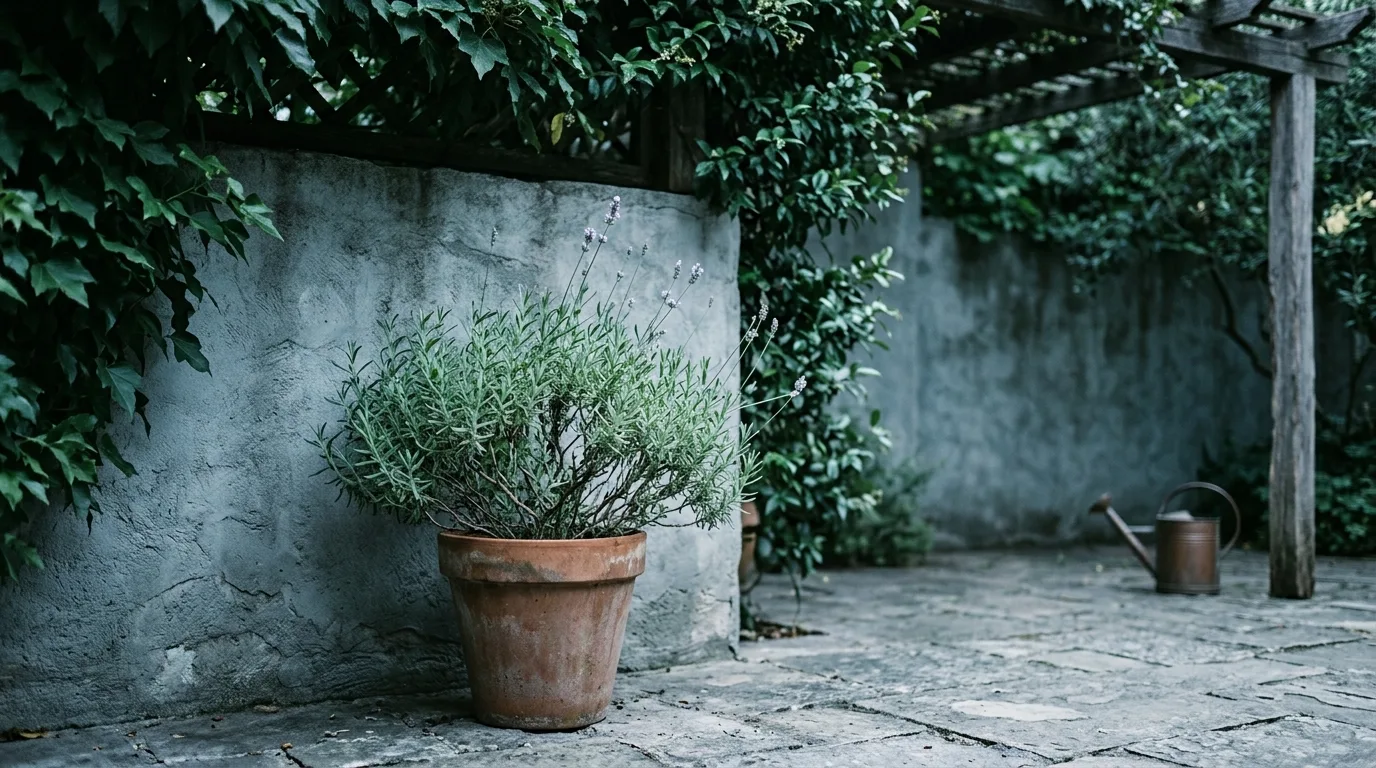
Border Definition Layout Inspiration
Readers can take a lot from this composition because it feels styled without becoming unrealistic. In this border definition section of shade gardening tips can lavender grow in the shade, filtered light, leggy growth, and a more deliberate arrangement help the space read as finished, comfortable, and easier to understand at a glance.
Designed to feel welcoming from the first glance, this border definition take on shade gardening tips can lavender grow in the shade shows how filtered light, leggy growth, and sun-seeking placement can turn a simple setup into something richer and more memorable, giving the whole scene a welcoming personality that feels considered rather than copied.
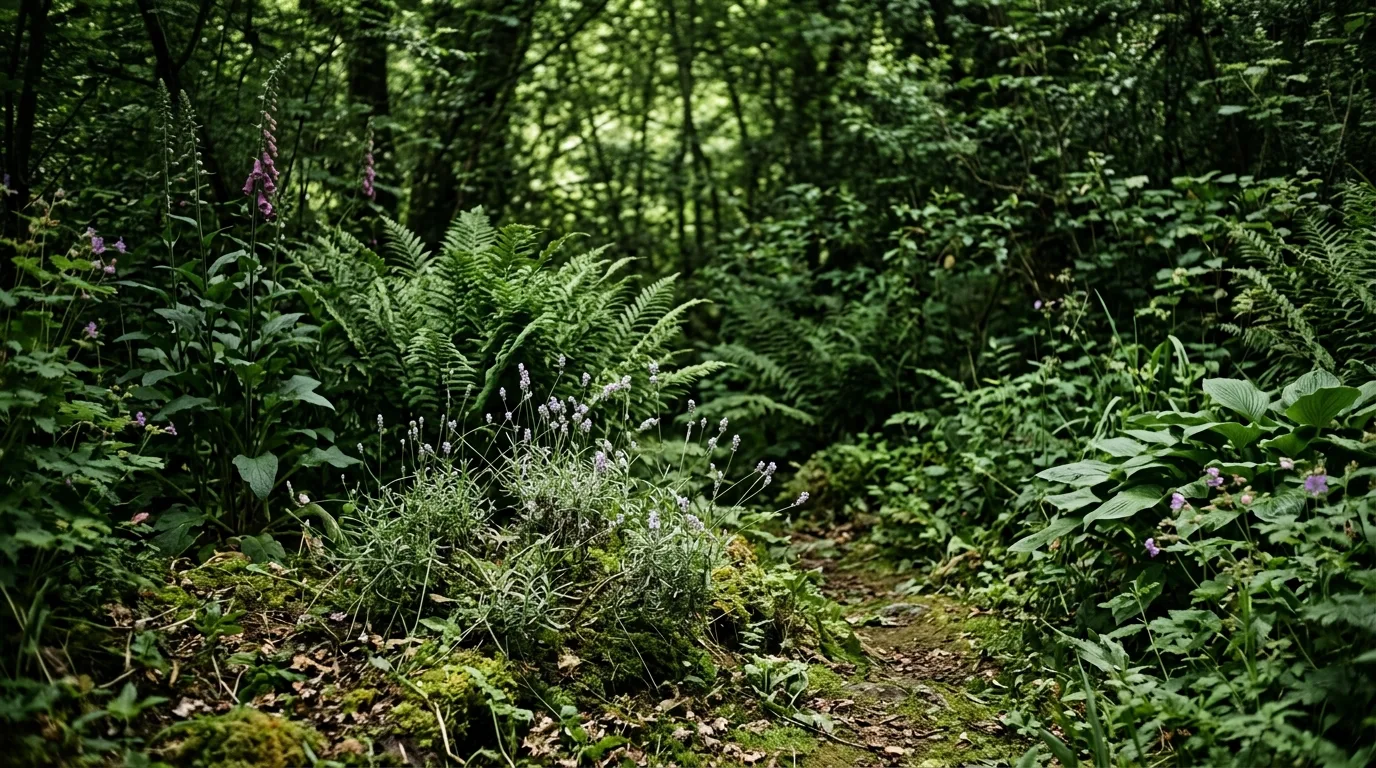
Texture Balance Detail to Notice
This scene works well as a reference because it balances personality with a layout that still feels livable. In this texture balance section of shade gardening tips can lavender grow in the shade, filtered light, leggy growth, and a more deliberate arrangement help the space read as finished, comfortable, and easier to understand at a glance.
Grounded in practical beauty and a more polished finish, this texture balance take on shade gardening tips can lavender grow in the shade shows how filtered light, leggy growth, and sun-seeking placement can turn a simple setup into something richer and more memorable, giving the whole scene a welcoming personality that feels considered rather than copied.
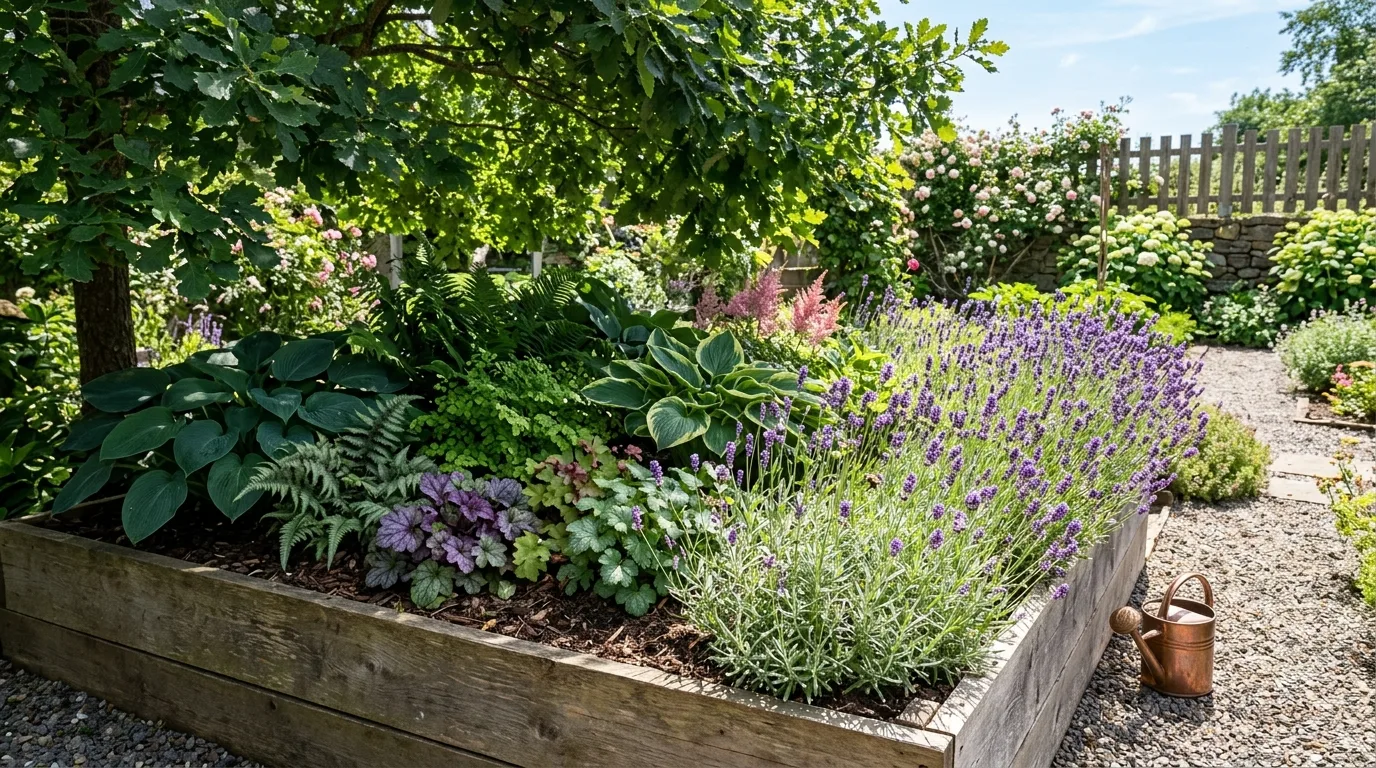
Layered Structure Design Direction
What makes this image useful is the way it turns inspiration into a layout readers can actually borrow. In this layered structure section of shade gardening tips can lavender grow in the shade, filtered light, leggy growth, and a more deliberate arrangement help the space read as finished, comfortable, and easier to understand at a glance.
Rooted in creativity and guided by style, this layered structure take on shade gardening tips can lavender grow in the shade shows how filtered light, leggy growth, and sun-seeking placement can turn a simple setup into something richer and more memorable, giving the whole scene a welcoming personality that feels considered rather than copied.
Color Rhythm Styling Approach
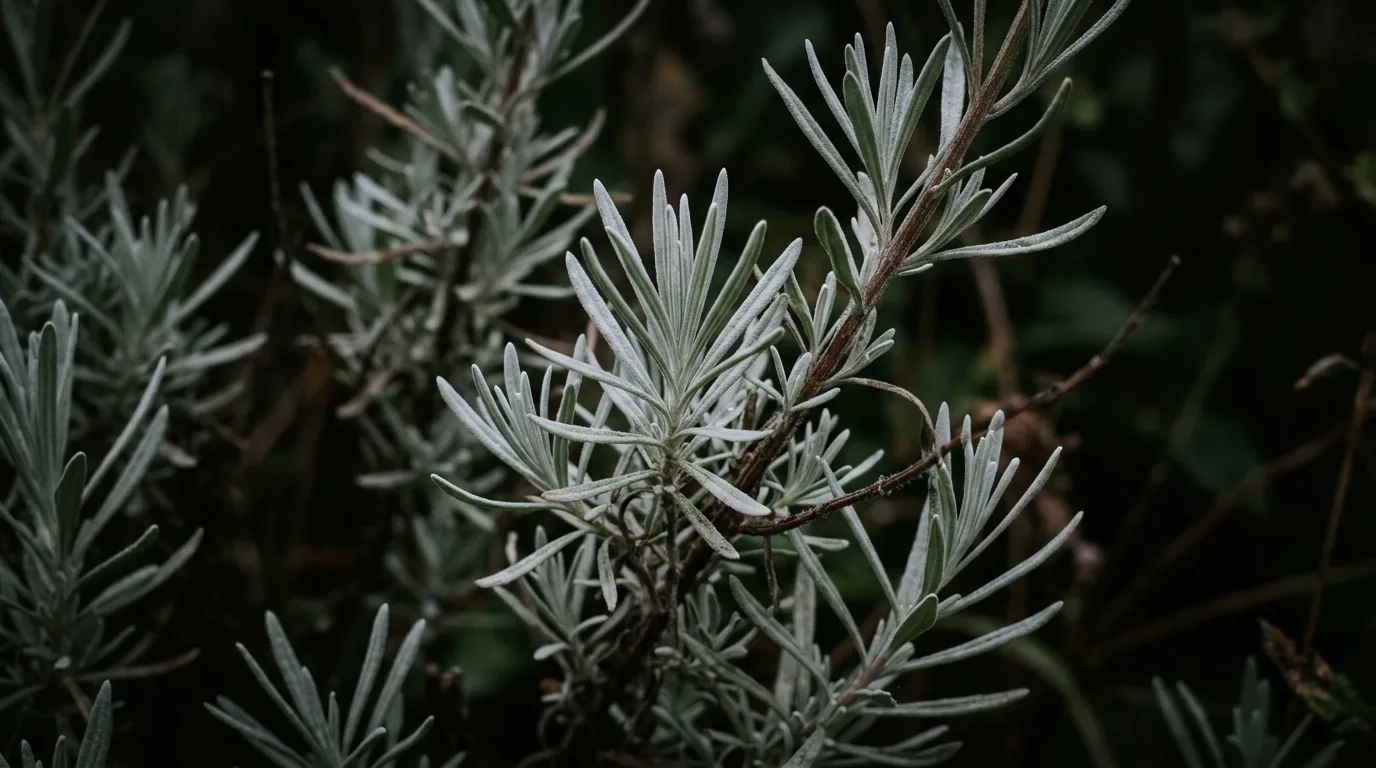
This example stands out because it shows a clear design move instead of relying on decoration alone. In this color rhythm section of shade gardening tips can lavender grow in the shade, filtered light, leggy growth, and a more deliberate arrangement help the space read as finished, comfortable, and easier to understand at a glance.
Shaped with warmth and a careful eye for detail, this color rhythm take on shade gardening tips can lavender grow in the shade shows how filtered light, leggy growth, and sun-seeking placement can turn a simple setup into something richer and more memorable, giving the whole scene a welcoming personality that feels considered rather than copied.
Pathway Presence Visual Focus
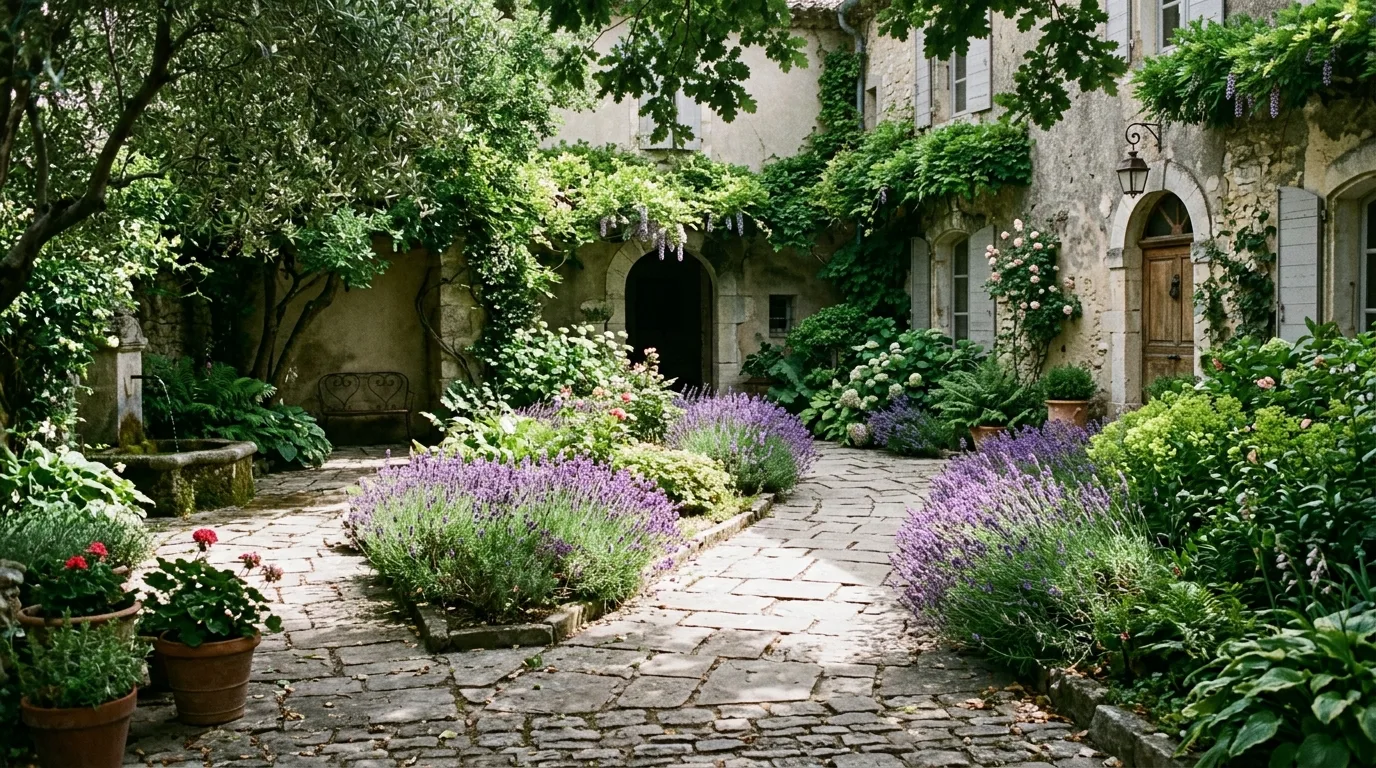
The strength of this look comes from how the main materials and planting choices support one another. In this pathway presence section of shade gardening tips can lavender grow in the shade, filtered light, leggy growth, and a more deliberate arrangement help the space read as finished, comfortable, and easier to understand at a glance.
Built around texture, mood, and a clear sense of place, this pathway presence take on shade gardening tips can lavender grow in the shade shows how filtered light, leggy growth, and sun-seeking placement can turn a simple setup into something richer and more memorable, giving the whole scene a welcoming personality that feels considered rather than copied.
Natural Framing Layout Inspiration
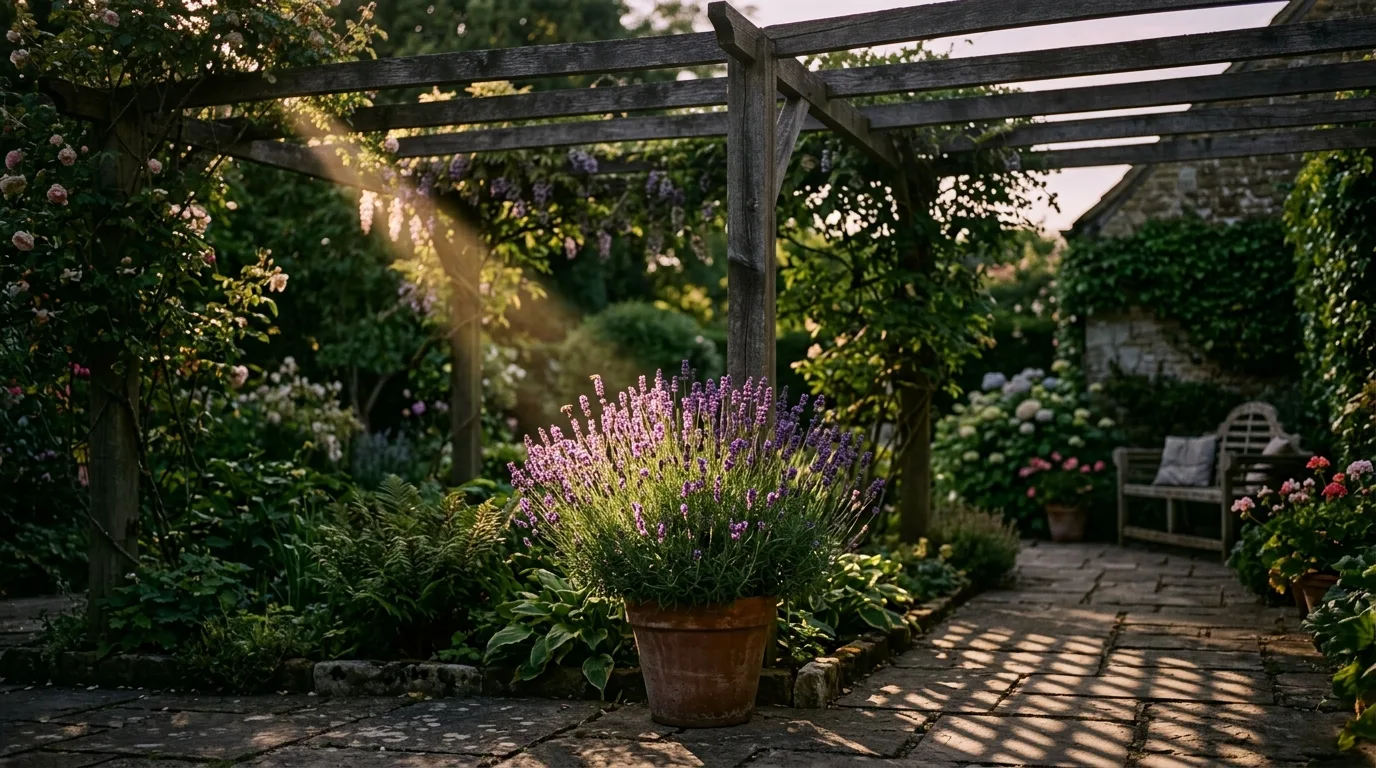
Readers can take a lot from this composition because it feels styled without becoming unrealistic. In this natural framing section of shade gardening tips can lavender grow in the shade, filtered light, leggy growth, and a more deliberate arrangement help the space read as finished, comfortable, and easier to understand at a glance.
Designed to feel welcoming from the first glance, this natural framing take on shade gardening tips can lavender grow in the shade shows how filtered light, leggy growth, and sun-seeking placement can turn a simple setup into something richer and more memorable, giving the whole scene a welcoming personality that feels considered rather than copied.
Clean Finishing Detail to Notice
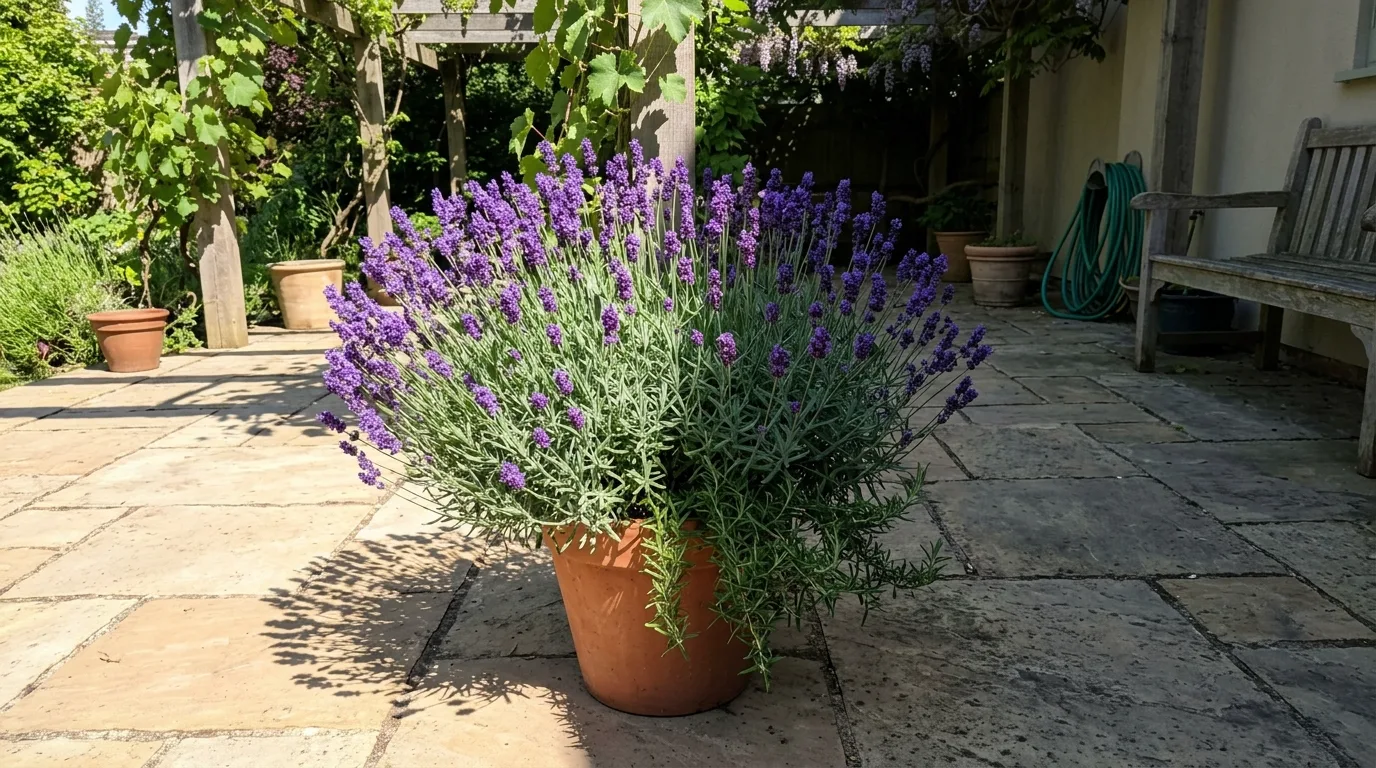
This scene works well as a reference because it balances personality with a layout that still feels livable. In this clean finishing section of shade gardening tips can lavender grow in the shade, filtered light, leggy growth, and a more deliberate arrangement help the space read as finished, comfortable, and easier to understand at a glance.
Grounded in practical beauty and a more polished finish, this clean finishing take on shade gardening tips can lavender grow in the shade shows how filtered light, leggy growth, and sun-seeking placement can turn a simple setup into something richer and more memorable, giving the whole scene a welcoming personality that feels considered rather than copied.
Light and Mood Design Direction
What makes this image useful is the way it turns inspiration into a layout readers can actually borrow. In this light and mood section of shade gardening tips can lavender grow in the shade, filtered light, leggy growth, and a more deliberate arrangement help the space read as finished, comfortable, and easier to understand at a glance.
Rooted in creativity and guided by style, this light and mood take on shade gardening tips can lavender grow in the shade shows how filtered light, leggy growth, and sun-seeking placement can turn a simple setup into something richer and more memorable, giving the whole scene a welcoming personality that feels considered rather than copied.
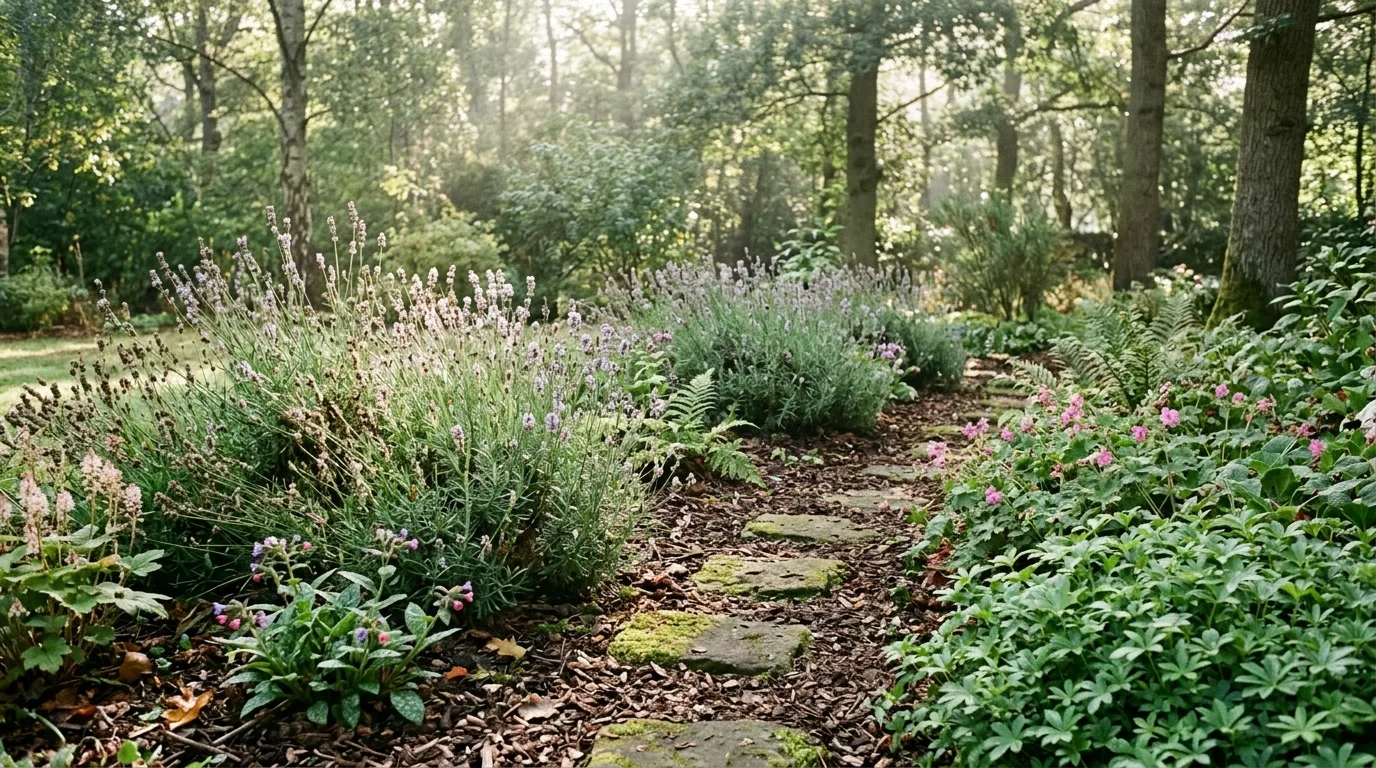
Sometimes a care question is really a placement question, and lavender in shade is exactly that kind of case. The plant can survive more than it can truly thrive.
Once readers see the visual difference between strong sun-grown plants and weaker shaded ones, the design decision becomes much more straightforward.